Throughout my story I have learned a lot about myself and not only from myself but also from what life entails. There is much more to life than going to school, working, retiring and dying. I would like to share some tips & tricks that I learned and discovered throughout my story. Feel free to write down some tips & tricks on a piece of paper for yourself and keep it handy if you are struggling.
- Talk about your feelings! This may be the most difficult step, but it is the step that must be taken first. The faster you talk about it, the faster you can be helped. I bottled everything up, but at some point everything explodes in your face and you have to talk about it. No matter how hard you fight against yourself, the chances of winning at a low point are hard.
- Accept that things are not going the way you want! Dwelling on the difficult moments is tempting, especially in the beginning, but after a while you learn to deal with them. It’s hard to accept it, but the sooner you accept it, the smoother your recovery will go. There is no such thing as a life without difficult moments. I had a very hard time accepting that I was losing my pleasure in things I loved like cycling. I didn’t look at my bike for a few weeks and suddenly when it went better the desire to cycle came back.
- Get help! You are not alone, even if you think you are. There are a lot of people who love you and who want to do well for you. Seeking help is a difficult step, but a crucial one. If I compare my low point in January, where I sought help, with now, there is a world of difference. Thanks to the people who help me where necessary. In this kind of process, selfish thinking is not wise when it comes to your mental health.
- Find things that give you energy! In the most difficult period this is extremely difficult, but once you find something that gives energy, you sometimes revive. It is important, it can be small things but as long as they give energy you have to apply them. An example for me was playing darts.
- Trust the process! Believing in the process is important, being surrounded by psychologists and a psychiatrist who you trust and with whom you feel good is very important. They know how to handle it and you have to rely on that. It is often confrontational and often very difficult, but these moments make you stronger.
- Apply your tools! I learned different tools from the sports psychologist and psychotherapist and I use them daily, both on good and bad days. Make sure you are familiar with them so that you can apply them in an emergency. Think of it as a quality that other people don’t possess.
- Enjoy small moments! Reflect more often on small moments, a smile or a butterfly flying by or the sun shining on you. All little things that are part of being happy, but that you didn’t think about before.
- Dare to ignore social media, but not your social life! A social life is important, hearing and seeing your friends, hearing and seeing your family. When things are difficult you prefer to be alone, because you don’t need to see people, but once you are better contact them again. Go for a walk with a friend, go for a workout, … You don’t have to talk about it, have fun and laugh. Social media is also a kind of poison, avoid it if you don’t need it, just dare to put your mobile phone away.
- Try to maintain structure! Very important, try to maintain your daily structure. Eating at the same times, even if you have no appetite. Going to sleep and getting up at the same times.
- Take moments for yourself! Dare to say ‘no’ and dare to choose for yourself when things are difficult. What helped me was typing my story or using my tools or listening to music.
- Don’t try to avoid anything! I take an example from my story, driving. My first panic attack was in the car, since then driving has been very difficult. The tendency is great to avoid and honest at this time still. I consciously try not to avoid it so I do drive the car with someone with me and if it is close I go alone. The longer you avoid, the harder it is to pick up where you left off. Try and know that you have tools at your disposal.
- It’s normal to feel fear! Everyone experiences fear, but not so extremely. Learn to deal with it using your tools or by using this sentence “This is my anxiety disorder that speaks, not reality” or make up a sentence yourself.
- Focus on the things you want, not the things you have to! Don’t impose obligations on yourself, avoid the feeling of accountability, avoid the story of ‘I have to’. Focus on things you want to do. If you want to walk, go walk. You will see that you will enjoy it much more than having to walk.
- Let your emotions go! If you want to cry, cry. If you want to laugh, laugh. Everyone has emotions and lets them speak, but also keep control over them. Crying once can do wonders, but crying 6 times a day is an alarm signal. Don’t fight it either, because then you will get the same effect as with bottling up.
- …

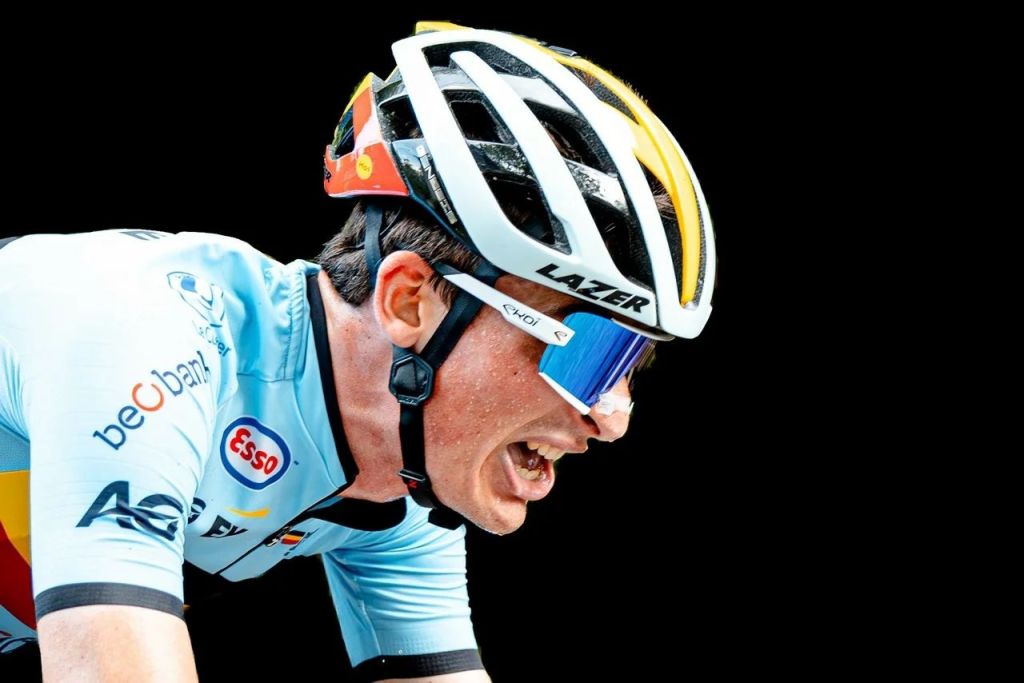

 The mind behind me